
Diesel Price in India, Today’s Petrol Rate, and Crude Oil Price: The Impact of Global Tensions
Fuel prices in India, including diesel and petrol, have been a matter of constant discussion, especially with the fluctuations in crude oil prices. Recently, the global oil market has experienced volatility due to tensions in the Middle East, raising concerns about potential fuel price hikes. In this blog, we explore the current trends in diesel price in India, the petrol rates today, and the crude oil price in global markets, along with the impact of international developments.
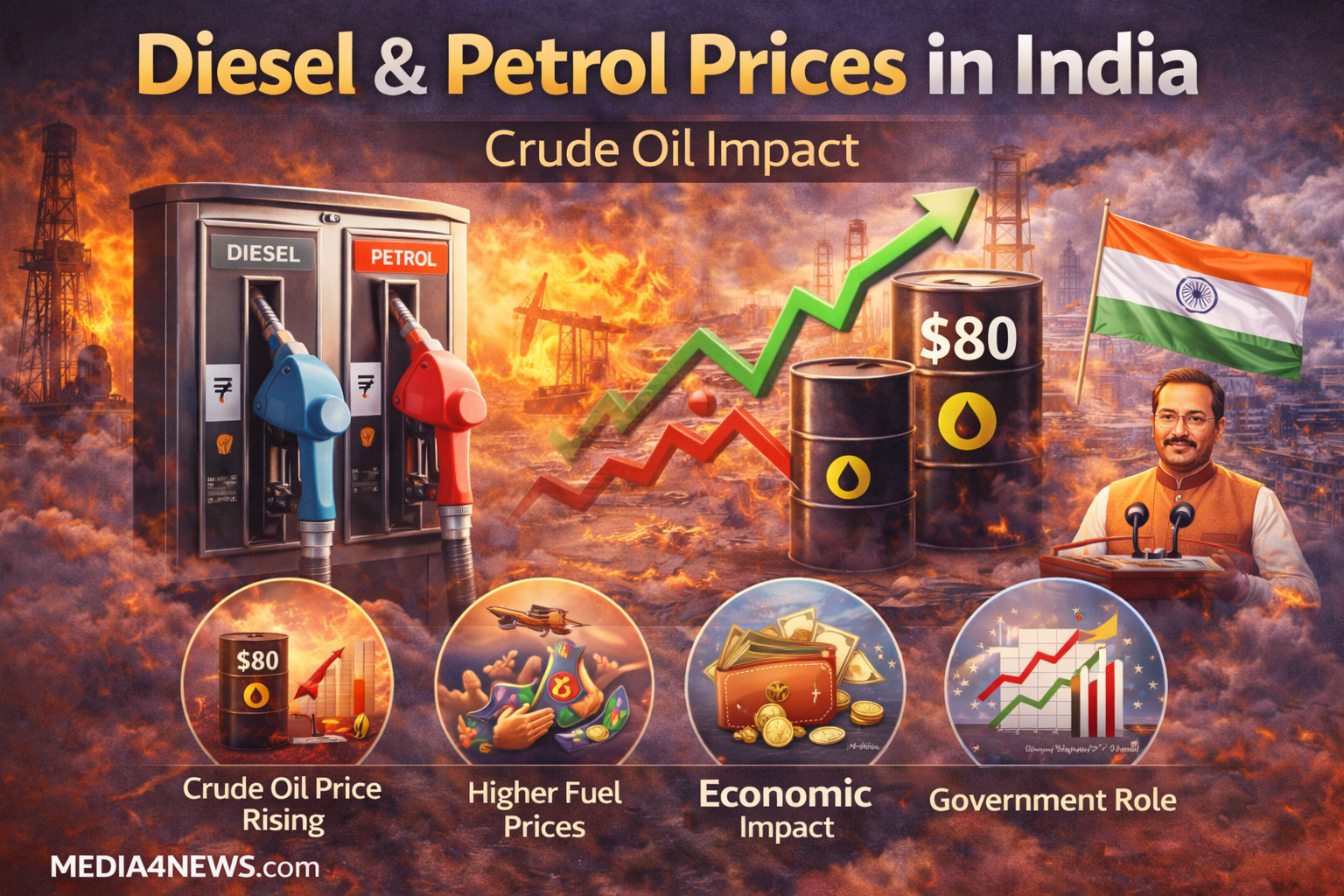
Global Oil Price Fluctuations: Crude Oil at $80 Mark
As the crude oil price nears $80 per barrel, there has been increased speculation about its effect on domestic fuel prices. The geopolitical situation in the Middle East continues to affect oil supply chains, with disruptions leading to a rise in crude oil costs. Global oil prices have recently spiked due to these tensions, causing a ripple effect on Indian fuel prices.
The rise in crude oil prices often leads to an increase in petrol and diesel prices in India, which in turn affects the prices of essential goods, transportation costs, and overall inflation. Experts are closely monitoring the situation, as any major escalation in the Middle East could lead to further price hikes.
Diesel Price in India: How the Price is Set
Diesel is a crucial fuel for transportation, agriculture, and industries in India. The pricing of diesel in India is influenced by various factors, including:
- Crude oil price trends: As crude oil prices increase, the cost of refining and importing oil rises, directly affecting the price of diesel.
- Currency fluctuations: A weak rupee against the U.S. dollar increases the cost of importing crude oil, further driving up fuel prices.
- Taxes and duties: The Indian government levies taxes on petrol and diesel, which can impact retail prices.
While diesel prices have been on a steady rise in recent months, state governments in India have the authority to adjust fuel taxes and VAT rates, leading to some regional variations in pricing.
Today’s Petrol Rate in India: How It’s Impacted by Crude Oil Prices
As crude oil prices continue to hover around $80 per barrel, fuel prices in India are expected to rise in line with global trends. Today’s petrol rate in India reflects the current international market situation and the local tax policies.
Currently, petrol prices in major cities like Delhi, Mumbai, and Chennai stand at high levels due to global crude oil price hikes. Additionally, India’s dependence on oil imports (around 80% of its crude oil needs) means that domestic fuel prices are directly impacted by international oil price changes.
Will Petrol and Diesel Prices Continue to Rise?
The recent spike in crude oil prices has led many experts to predict a possible increase in petrol and diesel prices in India. The Middle East tensions and OPEC’s (Organization of the Petroleum Exporting Countries) production cuts are key factors contributing to the price hike.
If crude oil prices continue to rise, the Indian government may have to adjust the retail fuel prices accordingly. However, the government has often relied on subsidies and excise duty cuts to provide relief to consumers, although the sustainability of such measures in the long run remains uncertain.
How Oil Prices Affect the Indian Economy
Higher fuel prices do not only affect consumers at the pump, but also have a significant impact on the Indian economy. Increased fuel costs lead to:
- Higher transportation costs: This affects the price of goods and services, leading to inflation.
- Increased cost of production: Many industries rely heavily on diesel for transportation and machinery, meaning higher production costs for goods.
- Pressure on government finances: With rising fuel costs, there’s a need for more subsidies or tax cuts, straining the government’s budget.
Thus, fuel price fluctuations are closely tied to India’s economic health, influencing everything from inflation to the cost of living.
The Government’s Role in Controlling Fuel Prices
The Indian government plays a significant role in controlling fuel prices, with the Ministry of Petroleum and Natural Gas being responsible for regulating the industry. Some key measures taken by the government include:
- Taxation and levies: The government imposes excise duties on petrol and diesel, which can be adjusted to manage price fluctuations.
- Subsidies: The government sometimes provides fuel subsidies to cushion the blow of rising prices, although this can strain public finances.
- Price deregulation: Over the past decade, India has gradually moved towards deregulating fuel prices, which means that prices are now more sensitive to market conditions.
The government may take measures to soften the blow of rising fuel prices, but the ongoing global geopolitical tension will continue to play a role in pricing.
What Can Consumers Do?
With fuel prices on the rise, consumers can take steps to reduce the impact of increased transportation costs, such as:
- Switching to fuel-efficient vehicles: Hybrid or electric vehicles can significantly reduce dependence on fossil fuels.
- Carpooling: Sharing rides can reduce the number of vehicles on the road, saving fuel.
- Optimizing routes: Using navigation apps to avoid traffic and reduce fuel consumption can help save money.
Additionally, adopting more sustainable transportation options, such as public transit or cycling, can help reduce the personal financial burden caused by rising fuel prices.
Conclusion
The rising fuel prices in India are heavily influenced by global crude oil price fluctuations, geopolitical tensions, and the country’s reliance on oil imports. With the price of diesel and petrol directly impacted by global market conditions, it’s essential for both the government and consumers to understand the broader economic and social implications.
As India navigates the challenges posed by high oil prices, measures like better infrastructure, energy diversification, and greater fuel efficiency will become increasingly important in mitigating the impact of rising fuel prices on the economy and consumers.