
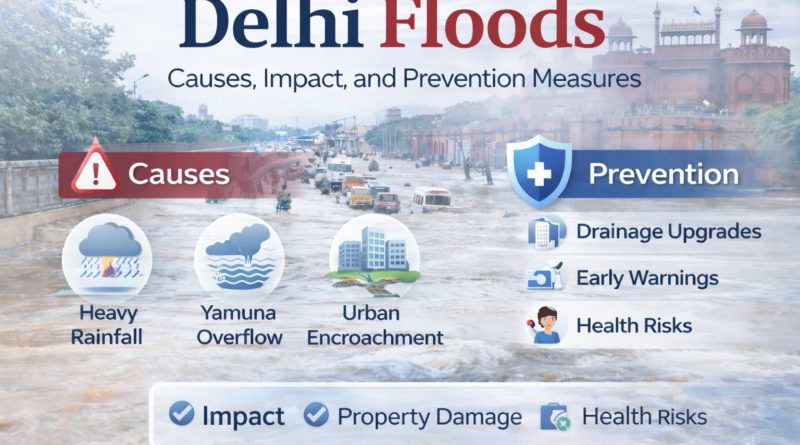
Delhi Floods: Causes, Impact, and What You Need to Know
Delhi, the capital city of India, has faced extreme weather conditions in recent years, with flooding becoming an increasing concern during the monsoon season. In 2023, heavy rainfall triggered widespread flooding in several parts of Delhi, affecting thousands of residents and disrupting daily life. Understanding the causes, the impact on communities, and the steps being taken to prevent future floods is crucial for the residents and the authorities of the city.
What Caused the Delhi Floods?
The primary reason for the frequent floods in Delhi is unpredictable and excessive rainfall during the monsoon months. This year, the capital city experienced above-average rainfall, leading to the overflow of rivers, especially the Yamuna River. The river’s water levels rose alarmingly, inundating nearby areas and causing widespread flooding. Here’s a breakdown of the factors contributing to the floods:
1. Heavy Rainfall and Poor Drainage Systems
Delhi witnessed several days of torrential rain, overwhelming the city’s drainage systems. The poor state of the drainage infrastructure, especially in older parts of the city, caused waterlogging and street flooding, making it difficult for the water to flow freely.
2. Overflow of the Yamuna River
One of the key contributors to the flooding in Delhi is the overflow of the Yamuna River. Rising water levels breached embankments, inundating low-lying areas in and around the river, including Okhla, Shahdara, and Ishwar Colony.
3. Urbanization and Encroachment on Natural Waterways
Over the years, urbanization has encroached upon natural drainage systems and floodplains. The construction of buildings along riverbanks and the blockage of natural waterways has contributed to the inability of floodwaters to flow into their natural basins, exacerbating the impact of floods.
4. Climate Change
The changing climate patterns, including erratic rainfall and higher temperatures, have intensified the risk of extreme weather events like floods. Experts believe that the frequency of such weather patterns will continue to rise due to climate change, making Delhi more vulnerable to flooding in the future.
Impact of the Delhi Floods
The floods in Delhi have had severe consequences, affecting the lives of millions of people. Here are some of the major impacts:
1. Displacement of Residents
Thousands of people in low-lying areas were forced to evacuate their homes as water levels rose. Many families were displaced and had to take shelter in temporary relief camps.
2. Damage to Property and Infrastructure
Homes, shops, and public infrastructure like roads, bridges, and public transport systems suffered significant damage. The flooding caused millions of rupees in losses to property, and many businesses were forced to close temporarily.
3. Disruption of Transportation
Delhi’s transportation system, including the metro, buses, and roads, was severely affected. Major roads were submerged, leading to traffic jams and making travel difficult for daily commuters. The Delhi Metro also experienced delays and disruptions in certain areas.
4. Public Health Concerns
Flooding often leads to a rise in waterborne diseases such as dengue, malaria, and cholera due to the contamination of water sources. In addition to this, stagnant water can become a breeding ground for mosquitoes, exacerbating health risks in the affected areas.
5. Environmental Damage
The floods also caused damage to green spaces, parks, and wildlife habitats in the city. The loss of vegetation, pollution of water sources, and damage to ecosystems are long-term environmental concerns.
What is Being Done to Prevent Future Floods?
The government of Delhi, along with various local authorities, is working on several measures to mitigate the impact of floods in the future. Some of the steps being taken include:
1. Upgrading Drainage Infrastructure
The Delhi government has initiated several projects to upgrade and expand the city’s drainage systems. This includes building new drains and cleaning existing ones to ensure the efficient flow of rainwater.
2. Flood Management Plans
Delhi is implementing flood management plans, including the construction of retention ponds, diversion channels, and embankments along vulnerable riverbanks to control the flow of water and reduce the chances of river overflow.
3. Early Warning Systems
The government is also working on improving its early warning systems to predict heavy rainfall and floods. This includes using satellite data, weather stations, and advanced modeling techniques to provide accurate flood forecasts.
4. Relocation and Rehabilitation of Affected Communities
The government has been working on relocating communities that live in flood-prone areas along riverbanks and in low-lying regions. Relief camps have been set up to provide food, shelter, and medical care for displaced families.
5. Public Awareness Campaigns
Awareness campaigns about flood preparedness and safety measures are being conducted by the authorities to ensure that residents are equipped with the knowledge to stay safe during flood events.
How Can Delhi Residents Stay Safe During Floods?
While the government is working to improve flood resilience, residents can take personal steps to stay safe during flood situations. Here are some tips:
- Stay informed: Keep an eye on weather updates and flood warnings from reliable sources like the India Meteorological Department (IMD).
- Create an emergency plan: Have a family emergency plan in place, including evacuation routes and emergency contact numbers.
- Protect your property: Elevate electrical appliances and important documents to prevent damage.
- Follow evacuation orders: If advised to evacuate, do so promptly to ensure your safety.
- Avoid flooded areas: Do not attempt to walk, drive, or swim through floodwater, as it may be deeper or faster-moving than it appears.
Conclusion
Flooding in Delhi is a growing concern that affects thousands of residents every year, especially during the monsoon season. By understanding the causes of flooding, the impact it has on communities, and the steps being taken to address it, Delhi residents can work together with the government to reduce risks and ensure the city’s resilience against future floods.
Proactive measures, both by the authorities and the public, will be key in mitigating the effects of floods and ensuring the safety and well-being of all residents.