
Free Radicals, Aging, and the Supportive Role of Antioxidants
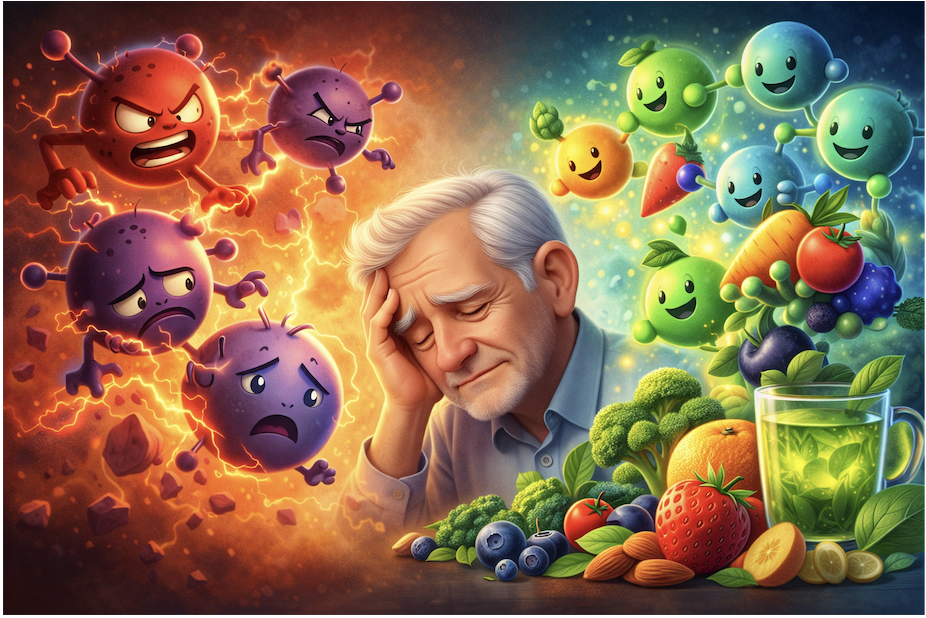
Aging is a natural and gradual process influenced by many factors, including genetics, environment, and daily lifestyle choices. One concept often discussed in the context of aging is the role of free radicals—and how the body works to keep them in balance through antioxidants.
Understanding this relationship helps explain why long-term habits such as nutrition, rest, and stress management play an important role in overall well-being as we age.
Understanding Free Radicals
Free radicals are unstable molecules that are naturally produced in the body during normal biological activities such as breathing, digestion, and physical movement. External factors like pollution, sunlight exposure, smoking, and emotional stress can also increase their formation.
Because free radicals are unstable, they seek stability by interacting with nearby cells. In doing so, they can affect cell structure and function. In small amounts, this activity is a normal part of life. However, when free radicals accumulate beyond the body’s ability to manage them, they may contribute to gradual cellular changes.
The Connection Between Free Radicals and Aging
Over time, excess free radicals can place stress on the body’s cells. This ongoing stress may influence visible and internal signs commonly associated with aging, such as changes in skin texture, reduced energy levels, and slower cellular repair.
The body is equipped with natural defense systems designed to neutralize free radicals. As we grow older, these protective mechanisms may become less efficient, making supportive lifestyle choices increasingly important.
How Antioxidants Support the Body
Antioxidants help maintain balance by neutralizing excess free radicals before they can cause disruption at the cellular level. Rather than stopping natural processes, antioxidants support the body’s ability to function smoothly and maintain internal stability.
Many antioxidants come from everyday foods, particularly those derived from plants. Common sources include:
- Fruits and vegetables with natural color
- Nuts and seeds
- Whole grains
- Herbs, spices, and plant-based beverages
Including a wide variety of these foods helps support the body’s natural protective systems.
Daily Habits That Support Antioxidant Balance
Supporting antioxidant balance does not require extreme changes. Small, consistent habits can have a meaningful impact over time:
- Eating a diverse range of whole foods
- Staying hydrated throughout the day
- Engaging in regular, gentle physical activity
- Prioritizing restful sleep
- Managing stress through calming routines such as breathing, walking, or quiet moments
Together, these habits create an environment that supports healthy aging.
A Thoughtful Perspective on Aging
Free radicals are not something to eliminate completely—they are a natural part of how the body functions. Aging itself is not a problem to be fixed, but a process to be supported with care and awareness.
By focusing on antioxidant-rich nutrition and balanced daily habits, the body is better equipped to maintain resilience and well-being over time.