


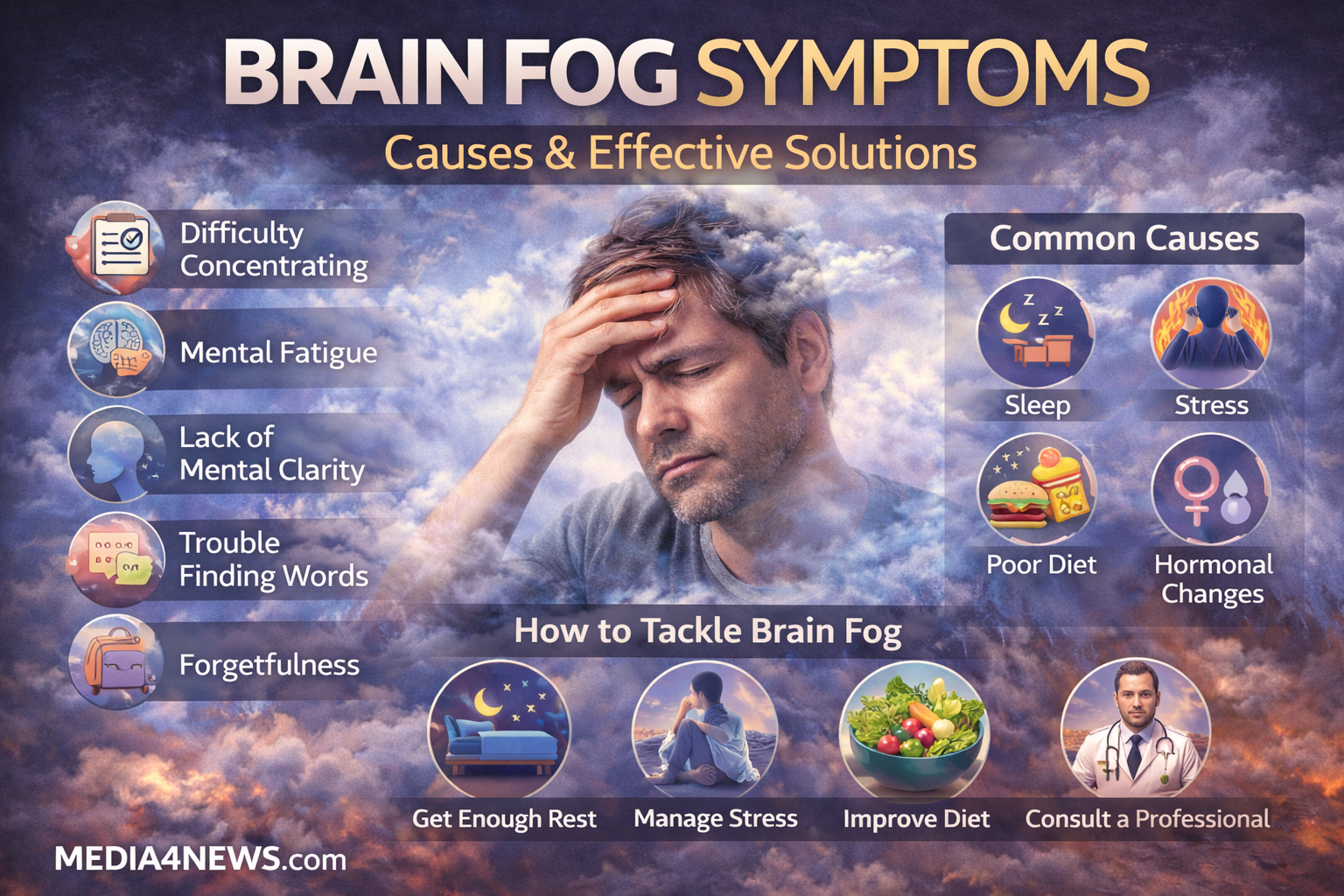
Brain Fog Symptoms: What You Need to Know and How to Tackle It
In today’s fast-paced world, many individuals experience occasional moments of mental cloudiness or brain fog. This state of mental fatigue can hinder productivity and affect your overall well-being. Brain fog isn’t a medical condition on its own but rather a symptom of several underlying health issues. Understanding the causes, symptoms, and potential solutions can help you regain mental clarity and improve your quality of life.
In this blog, we will explore brain fog symptoms, common triggers, and effective ways to combat it.
What Is Brain Fog?
Brain fog refers to a state of mental confusion and lack of clarity that affects your ability to think clearly. People experiencing brain fog often report feeling:
- Forgetful
- Mentally drained
- Unfocused
- Sluggish or “out of it”
It is a general term used to describe a range of cognitive impairments such as memory problems, difficulty concentrating, and poor mental clarity.
While brain fog is not a formal diagnosis, it can be a sign of various underlying issues such as stress, sleep disturbances, or hormonal changes. For some, it can also be a symptom of more serious conditions like chronic fatigue syndrome, autoimmune diseases, or neurological disorders.
Common Symptoms of Brain Fog
Brain fog symptoms can vary from person to person, but some common signs include:
1. Difficulty Focusing or Concentrating
People with brain fog often experience difficulty focusing on tasks, whether at work, school, or even during conversations. It may feel like your mind is wandering, making it hard to stay on track.
2. Forgetfulness
Short-term memory problems, like forgetting appointments, misplacing items, or struggling to recall simple details, are hallmark symptoms of brain fog.
3. Mental Fatigue
Feeling mentally exhausted or sluggish, even after a good night’s sleep, is a key symptom of brain fog. This mental tiredness can prevent you from completing tasks efficiently.
4. Lack of Mental Clarity
A sensation of confusion or having “cloudy” thoughts is a common feeling for those experiencing brain fog. It may feel like there is a mental barrier preventing you from thinking clearly or making decisions.
5. Trouble Finding the Right Words
Struggling to find the right words during conversations or coming up with the right terms during work-related tasks is another common sign.
6. Difficulty with Problem Solving
Brain fog can make it hard to think critically, leading to difficulties in problem-solving and decision-making, which can affect both personal and professional life.
7. Headaches and Migraines
Frequent headaches and migraines can be both a symptom and a trigger of brain fog. The tension in the head may add to feelings of mental cloudiness.
Causes of Brain Fog
Brain fog can be triggered or exacerbated by several factors, including:
1. Poor Sleep
Lack of quality sleep is one of the most common causes of brain fog. Sleep disorders, such as insomnia or sleep apnea, can prevent the brain from getting the restorative rest it needs, leading to cognitive dysfunction during the day.
2. Stress and Anxiety
Chronic stress or anxiety can affect memory, focus, and decision-making, leading to mental fatigue and brain fog. The constant activation of the body’s fight-or-flight response takes a toll on cognitive function.
3. Hormonal Changes
Fluctuations in hormones, especially during menopause, pregnancy, or thyroid issues, can trigger brain fog. Women often report feeling mentally foggy during hormonal changes, particularly during pregnancy and menopause.
4. Dietary Deficiencies
Lack of essential nutrients, including vitamins B12, iron, omega-3 fatty acids, and magnesium, can affect brain health and contribute to brain fog.
5. Chronic Illnesses
Conditions like fibromyalgia, multiple sclerosis, chronic fatigue syndrome, and autoimmune diseases can lead to persistent brain fog.
6. Medications
Certain medications, particularly those used to treat depression, anxiety, and allergies, can cause side effects like cognitive impairment, leading to brain fog.
7. Infections
Some infections, such as COVID-19, can trigger brain fog during and after recovery. The phenomenon known as “post-viral fatigue” is a well-documented cause of brain fog.
How to Combat Brain Fog
While brain fog can be frustrating, there are steps you can take to alleviate its symptoms:
1. Get Enough Rest
Quality sleep is essential for brain health. Ensure you are getting 7-9 hours of sleep per night. Consider improving your sleep hygiene by creating a relaxing bedtime routine and avoiding screens before bed.
2. Manage Stress
Engage in stress-relieving activities such as yoga, meditation, or deep-breathing exercises to calm your mind. Regular physical activity can also help manage stress and boost overall mental clarity.
3. Improve Your Diet
A balanced diet rich in essential vitamins and minerals can improve cognitive function. Include plenty of fruits, vegetables, whole grains, lean proteins, and healthy fats in your meals. Avoid excessive sugar, caffeine, and processed foods.
4. Stay Hydrated
Dehydration can impair cognitive function. Make sure to drink plenty of water throughout the day to stay hydrated.
5. Exercise Regularly
Physical activity increases blood flow to the brain and helps reduce stress and anxiety, which can, in turn, improve focus and mental clarity.
6. Consult a Healthcare Professional
If your brain fog persists or is interfering with daily life, it’s important to see a healthcare provider. They can run tests to identify any underlying conditions that may be contributing to your symptoms, such as vitamin deficiencies or thyroid imbalances.
Conclusion
Brain fog can feel overwhelming, but understanding its symptoms and potential causes can help you manage it more effectively. Whether it’s due to poor sleep, stress, diet, or underlying health issues, there are steps you can take to improve your mental clarity and reduce cognitive fatigue.
By adopting a healthy lifestyle, managing stress, and seeking professional help when needed, you can regain control over your mental well-being and improve your quality of life.