


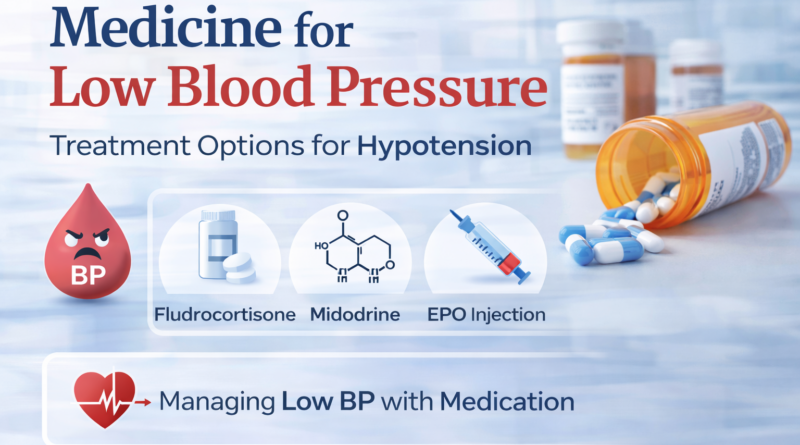
Medicine for Low Blood Pressure: How to Manage Hypotension Effectively
Low blood pressure, or hypotension, is often considered less concerning than high blood pressure, but when it causes symptoms like dizziness, fainting, or fatigue, it can be disruptive and even dangerous. In cases where lifestyle changes like hydration, dietary adjustments, or wearing compression stockings are not enough, medication may be necessary to raise and regulate blood pressure levels.
If you are experiencing symptoms of low blood pressure, here’s a guide to understanding the types of medicines that can help, and when they might be used.
When Is Medication Needed for Low Blood Pressure?
Not everyone with low blood pressure needs medication. In many cases, hypotension can be managed with changes in diet, fluid intake, or behavior. However, when blood pressure drops significantly or causes troublesome symptoms like fainting or dizziness, doctors may prescribe medication to help stabilize blood pressure.
Medications are typically used when:
- Lifestyle changes alone aren’t effective
- Symptoms are persistent or severe
- Underlying medical conditions contribute to low blood pressure
Types of Medications for Low Blood Pressure
Several types of medications can be used to treat low blood pressure, depending on the underlying cause and severity of the condition.
1. Fludrocortisone
Fludrocortisone is a synthetic corticosteroid that works by helping your body retain sodium, which can increase blood volume and, in turn, raise blood pressure. It is commonly prescribed for people with orthostatic hypotension (a form of low blood pressure that happens when standing up) or those with adrenal insufficiency, where the body does not produce enough cortisol.
- How it works: It increases sodium retention, which helps the body retain water and boosts blood volume.
- Common side effects: Fluid retention, weight gain, high blood pressure (if overdosed).
2. Midodrine
Midodrine is a medication that works by constricting blood vessels, which raises blood pressure. It is commonly used for orthostatic hypotension. The medication is typically taken during the day, and its effects are meant to help with blood pressure regulation when standing up.
- How it works: It stimulates alpha-adrenergic receptors in the blood vessels to constrict them, thus increasing blood pressure.
- Common side effects: Paresthesia (tingling sensation), goosebumps, urinary retention.
3. Droxidopa
Droxidopa is used for neurogenic orthostatic hypotension, a condition where low blood pressure occurs due to nervous system issues, such as Parkinson’s disease. This drug works by increasing norepinephrine in the brain and increasing vascular tone, which helps raise blood pressure.
- How it works: It boosts norepinephrine production, which leads to improved blood vessel constriction and higher blood pressure.
- Common side effects: Headache, dizziness, nausea, and increased blood pressure.
4. Beta-Blockers
Beta-blockers are more commonly used to manage high blood pressure and heart conditions, but in certain cases, they can also be used for low blood pressure caused by a slow heart rate (bradycardia). They work by slowing the heart rate and lowering the force of contraction, which can help balance low blood pressure.
- How it works: By lowering the heart rate and force of contraction, beta-blockers may help balance fluctuating blood pressure.
- Common side effects: Fatigue, dizziness, and cold hands or feet.
5. Erythropoietin (EPO)
For some people with chronic low blood pressure due to anemia or insufficient red blood cells, EPO injections may be prescribed. This medication stimulates the production of red blood cells, helping improve blood volume and, therefore, blood pressure.
- How it works: EPO stimulates the bone marrow to produce more red blood cells, increasing blood volume and improving circulation.
- Common side effects: Joint pain, fever, and headache.
Lifestyle Changes to Complement Medication
In addition to taking medications, individuals with low blood pressure may benefit from lifestyle modifications to help manage their condition. These changes can help stabilize blood pressure and prevent episodes of dizziness or fainting.
- Increase Fluid Intake: Drinking plenty of water helps increase blood volume and prevent dehydration.
- Eat Small, Frequent Meals: Large meals can cause blood pressure to drop suddenly. Eating smaller meals more often can prevent this.
- Increase Salt Intake: Sodium can help raise blood pressure. However, this should be done under the supervision of a healthcare provider.
- Wear Compression Stockings: These can help improve blood circulation and prevent blood from pooling in the legs.
- Avoid Standing Up Quickly: Stand up slowly to prevent dizziness caused by sudden drops in blood pressure.
When to See a Doctor
If you experience symptoms of low blood pressure, such as dizziness, fainting, or blurred vision, it’s essential to consult with a healthcare provider. Depending on the severity, medication may be needed to raise your blood pressure and manage your symptoms effectively.
- Seek immediate medical attention if you experience severe dizziness, chest pain, confusion, or shortness of breath, as these can be signs of a more serious condition.
Conclusion
While low blood pressure is often less talked about compared to high blood pressure, it can still pose significant health risks if not managed properly. For some people, medication is necessary to control hypotension and improve their quality of life. If you have low blood pressure, consult with your doctor to determine the best course of action and discuss possible treatments.
By combining medication with lifestyle changes and regular monitoring, most people with low blood pressure can effectively manage their condition and maintain good health.