
When AI Content Isn’t Actually “Free to Use”: What Creators Should Know
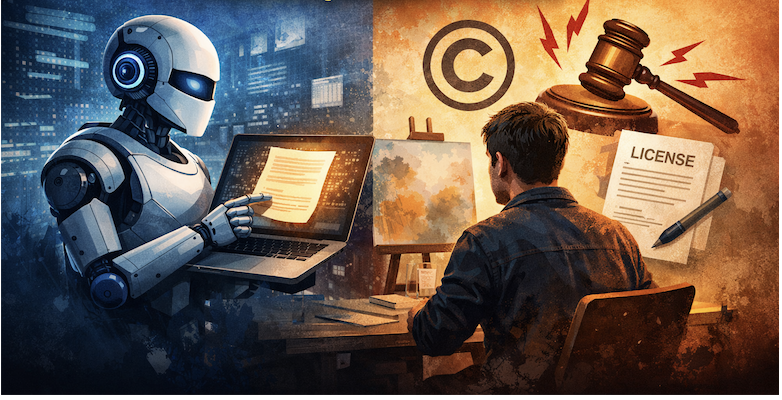
Artificial intelligence tools are powerful. They can help writers draft articles, artists generate concept images, and creators experiment with new ideas in minutes. This ease of use has led many people to assume that AI-generated output is automatically free to use for any purpose.
However, the reality is more nuanced. Just because something is generated quickly doesn’t mean it’s free of legal or ethical considerations — especially when you use it in public, commercial, or redistributed work.
Why the “It’s Free” Assumption Happens
AI tools — whether text generators, image synthesizers, or music assistants — often have no upfront cost. That can create a sense that the result is unbound by ordinary copyright or licensing rules.
But the cost of operating and training these systems is absorbed by companies in various ways. Moreover, the data used to train them often comes from collections of existing works — and that can raise important questions about ownership and reuse down the line. archive.ph
What Many Creators Overlook
When creators use AI to generate images, text, or other media and then reuse that output in real projects — book covers, marketing material, merchandise — they can unknowingly step into legal grey zones.
For example, there have been reported legal disputes in which AI-generated designs were claimed to “substantially resemble” copyrighted content allegedly included in the training data, leading to potential financial liabilities and take-down demands. Medium
Even though you instigated the creation with a prompt, courts and regulators often look at questions such as:
- Whether the AI output reproduces parts of protected works
- How much human creative contribution was involved
- Under what circumstances the material is being used
The Copyright Context Today
Laws around AI and copyright are evolving. In many jurisdictions, pure AI output on its own may not be eligible for copyright protection unless a human creative contribution is involved, meaning ownership and rights can become complex. Medium Help
At the same time, debates continue about whether training AI on copyrighted works without permission is fair use, and some existing legal claims challenge that assumption. There’s no universal rule yet, and outcomes can vary across courts and countries.
What You Can Do as a Creator
Whether you’re a writer, artist, or business owner using AI tools, here are thoughtful ways to approach AI content responsibly:
1. Assume you don’t automatically own all rights
Treat AI-generated output as a starting point, not a guaranteed copyrighted work you can freely exploit.
2. Add meaningful human creative effort
Transformations, edits, conceptual contributions, and personal authorship strengthen your stake in the final product.
3. Cite and document your process
Keeping clear notes on how a piece was created helps clarify where you contributed and where tools assisted.
4. Be cautious in commercial use
If you plan to use AI output in products, covers, advertisements, or monetized content, consider legal consultation or licensing where appropriate.
Balancing Innovation with Responsibility
AI is a powerful creative partner, but it’s important to distinguish what an AI tool generates from what you actually own or can legally reuse. Assuming AI output is always free can expose creators to risk — both legally and ethically.
Instead, using AI thoughtfully — with awareness of copyright, originality standards, and your own creative contribution — allows you to benefit from these tools while respecting the creative ecosystem that underpins them.
In a rapidly changing creative landscape, understanding the limits and possibilities of AI content isn’t just smart — it’s essential.